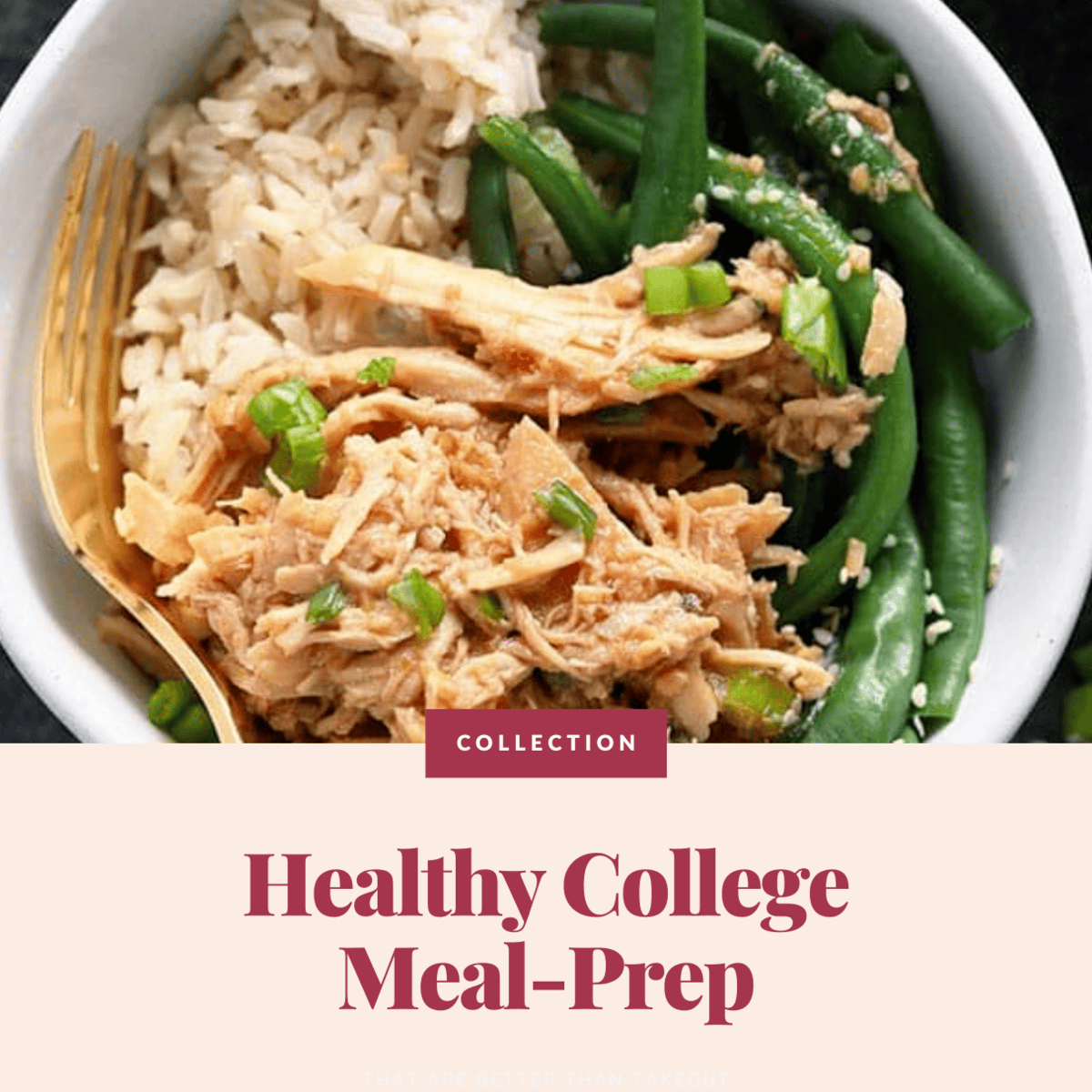
Navigating college life often means juggling a packed class schedule, a part-time job, social commitments, and a tight budget – all while trying to maintain some semblance of health. When it comes to eating, the temptation of cheap, convenient fast food or calorie-dense dorm cafeteria fare can be strong. However, fueling your body with nutritious, home-cooked meals doesn't have to be a luxury or an impossible task. With a little planning and smart strategies, you can master healthy college meals on a budget that are both delicious and easy to prepare.
The journey to eating well in college often begins with necessity. Many students, much like seasoned home cooks, learn the ropes of the kitchen out of a desire for better health and smarter spending. It's about transforming a challenge into an opportunity to gain essential life skills, ensuring you stay energized for studies and activities without breaking the bank. This article will guide you through the best healthy recipes for college kids budget friendly and meal prep, offering actionable tips for budgeting, efficient meal prepping, and creating satisfying meals even in the most limited kitchen spaces.
Conquering the College Kitchen: Why Budget-Friendly Meal Prep is Your Secret Weapon
The stereotype of college students surviving on instant ramen and pizza isn't entirely unfounded, but it doesn't have to be your reality. Eating healthy on a budget in college is challenging, not because healthy food is inherently expensive, but because time is scarce, kitchen access can be limited, and grocery funds often feel like a finite resource. However, learning to cook for yourself can be one of the most empowering skills you acquire during your college years.
Think of it this way: every homemade meal is an investment in your well-being. It provides sustained energy for those late-night study sessions, boosts your immune system during flu season, and even offers a therapeutic escape from academic pressures. The key to unlocking this culinary independence lies in two powerful strategies: smart budgeting and efficient meal preparation. These aren't just buzzwords; they are practical approaches that prevent last-minute takeout splurges, reduce food waste, and make balanced meals feel achievable, regardless of whether you're working with a full apartment kitchen, a shared communal space, or just a microwave and mini-fridge in your dorm room.
Mastering Your Money: Smart Budgeting for College Groceries
The foundation of eating well on a budget is, unsurprisingly, a budget. Setting a realistic weekly grocery allowance is the first step. For some, this might be around $40-$50 a week, a number that proved effective for many students in managing their grocery needs. The exact figure isn't as important as the discipline of sticking to it and learning to stretch your ingredients. Here's how to make your grocery budget go further:
The Art of the Grocery List: Plan to Save
- Meal Planning is King: Before you even step foot in a grocery store, plan your meals for the week. Consider what you want for breakfast, lunch, and dinner, factoring in snacks. This prevents impulse buys and ensures you only purchase what you need.
- Check What You Have: Raid your pantry, fridge, and freezer first. Build your meal plan around ingredients you already own to reduce waste and save money.
- Repeat Ingredients: Don't be afraid to use the same core ingredients in different ways throughout the week. For example, a batch of roasted chicken can become part of a salad, a sandwich, or a stir-fry.
Smart Shopping Strategies
- Look for Sales: Always check weekly flyers or store apps for deals. Plan your meals around what's on sale, especially for proteins and fresh produce.
- Buy in Bulk (Wisely): Non-perishable staples like rice, pasta, oats, and canned goods are often cheaper when bought in larger quantities. Just make sure you have storage space.
- Compare Unit Prices: Don't just look at the total price. Compare the price per ounce or per pound to truly identify the best value.
- Stick to Your List: Impulse purchases are budget killers. If it's not on your list, don't buy it.
- Loyalty Programs: Sign up for store loyalty cards to access exclusive discounts and rewards.
- Minimize Food Waste: Learn how to properly store food to extend its shelf life. Use leftovers creatively. Food wasted is money wasted.
The Power of Prep: Your Weekly Meal Prep Blueprint
Meal prepping is perhaps the single most effective strategy for students aiming to eat healthy on a tight budget. Dedicating a few hours once a week (usually on a Sunday) to cook foundational components saves immense time during busy weekdays, reduces the likelihood of ordering takeout, and drastically cuts down on food waste. The core idea is to cook a few versatile components that can be mixed and matched into various meals.
Essential Meal Prep Components
Here’s a simple framework for your weekly meal prep:
- Grains: Cook a large batch of a staple grain like brown rice, quinoa, or even oatmeal. These are excellent bases for bowls, sides, or breakfasts.
- Proteins: Prepare your protein sources. This could be roasted chicken breasts, baked salmon, hard-boiled eggs, cooked lentils, or black beans. Having cooked protein ready makes assembly quick and easy.
- Vegetables: Roast or sauté a variety of vegetables such as broccoli, bell peppers, sweet potatoes, or mixed greens. These add vital nutrients and fiber to any meal.
- Snacks & Breakfasts: Portion out snacks like nuts, fruit, or homemade granola. Prepare overnight oats or assemble breakfast burritos for grab-and-go mornings.
Assemble & Conquer: Quick Meal Ideas
The beauty of meal prep is that your meals can follow a simple, flexible formula: protein + carb + veggie + sauce. This allows for endless variations:
- Breakfast Bowls: Oatmeal (prepped grain) with fresh fruit and nuts (prepped components).
- Lunch Salads: Mixed greens (prepped veggie) with roasted chicken (prepped protein), quinoa (prepped grain), and a simple vinaigrette.
- Dinner Bowls: Brown rice (prepped grain) topped with roasted veggies (prepped veggie), black beans (prepped protein), and a dollop of salsa or hot sauce.
- Wraps/Sandwiches: Use prepped protein and veggies for quick fillings.
What you cook fresh or reheat will typically be your simple dinners or quick add-ins like fresh herbs, avocado, or a fried egg, which taste best prepared right before eating. This strategic approach ensures you always have nourishing options readily available, preventing hunger-driven trips to the nearest fast-food joint.
Deliciously Simple: Healthy Recipes for College Students
Now that you've got your budgeting and meal prep strategies down, let's explore some specific ideas for best healthy recipes for college kids budget friendly and meal prep. These recipes are designed for maximum flavor with minimal effort and equipment, perfect for any student's kitchen.
Energizing Breakfasts
- Overnight Oats: Combine rolled oats, milk (dairy or non-dairy), chia seeds, and your choice of fruit (fresh or frozen) and sweetener in a jar. Let it sit in the fridge overnight for a ready-to-eat breakfast.
- Breakfast Burritos: Scramble eggs with some pre-cooked beans or sausage, cheese, and salsa. Wrap in tortillas and freeze individually for quick microwaveable meals.
- Yogurt Parfaits: Layer Greek yogurt with granola and pre-chopped fruit for a protein-packed start.
Satisfying Lunches
- Mason Jar Salads: Layer dressing at the bottom, followed by hard vegetables (carrots, cucumbers), grains, protein, and leafy greens on top. Keeps fresh for days!
- Leftover Remix: Repurpose last night's dinner. Leftover roasted chicken and veggies can become a hearty salad topper or a sandwich filling.
- Hummus & Veggie Wraps: Spread hummus on a whole wheat tortilla, add pre-chopped veggies (bell peppers, spinach, shredded carrots), and perhaps some pre-cooked chickpeas.
Wholesome Dinners
- One-Pan Lemon Herb Chicken & Veggies: Toss chicken pieces and your favorite chopped vegetables (broccoli, potatoes, carrots) with olive oil, lemon juice, and herbs. Roast on a single sheet pan for an easy cleanup meal.
- Pasta with Lentil Marinara: Add cooked lentils to your favorite jarred marinara sauce for an inexpensive protein boost. Serve over whole wheat pasta.
- Quick Stir-Fry: Sauté pre-cooked protein (chicken, tofu) and pre-chopped veggies with a simple soy sauce/ginger/garlic sauce. Serve over pre-cooked rice.
Smart Snacking Solutions
- Homemade Trail Mix: Combine nuts, seeds, dried fruit, and a few chocolate chips.
- Apple Slices with Peanut Butter: A classic, healthy, and filling snack.
- Hard-Boiled Eggs: An excellent source of protein, easily prepped in a large batch.
The key to these best healthy recipes for college kids budget friendly and meal prep is their flexibility. Don't be afraid to experiment with different spices, sauces, and ingredient combinations based on what's available, what's on sale, and what you're craving. Cooking for yourself in college isn't just about saving money; it's about taking control of your health and well-being, building valuable life skills, and discovering the joy of a truly satisfying, home-cooked meal.
Embarking on your culinary journey in college can feel daunting at first, but with the right mindset and these practical strategies, you'll be cooking up nutritious, delicious, and budget-friendly meals in no time. By embracing meal planning, smart grocery shopping, and efficient meal prep, you'll not only save money and time but also gain the energy and focus needed to excel in your studies. Remember, every small step towards healthier eating is a significant investment in your overall success and well-being. So, grab your grocery list, put on your apron, and get ready to nourish your mind and body throughout your college years!
