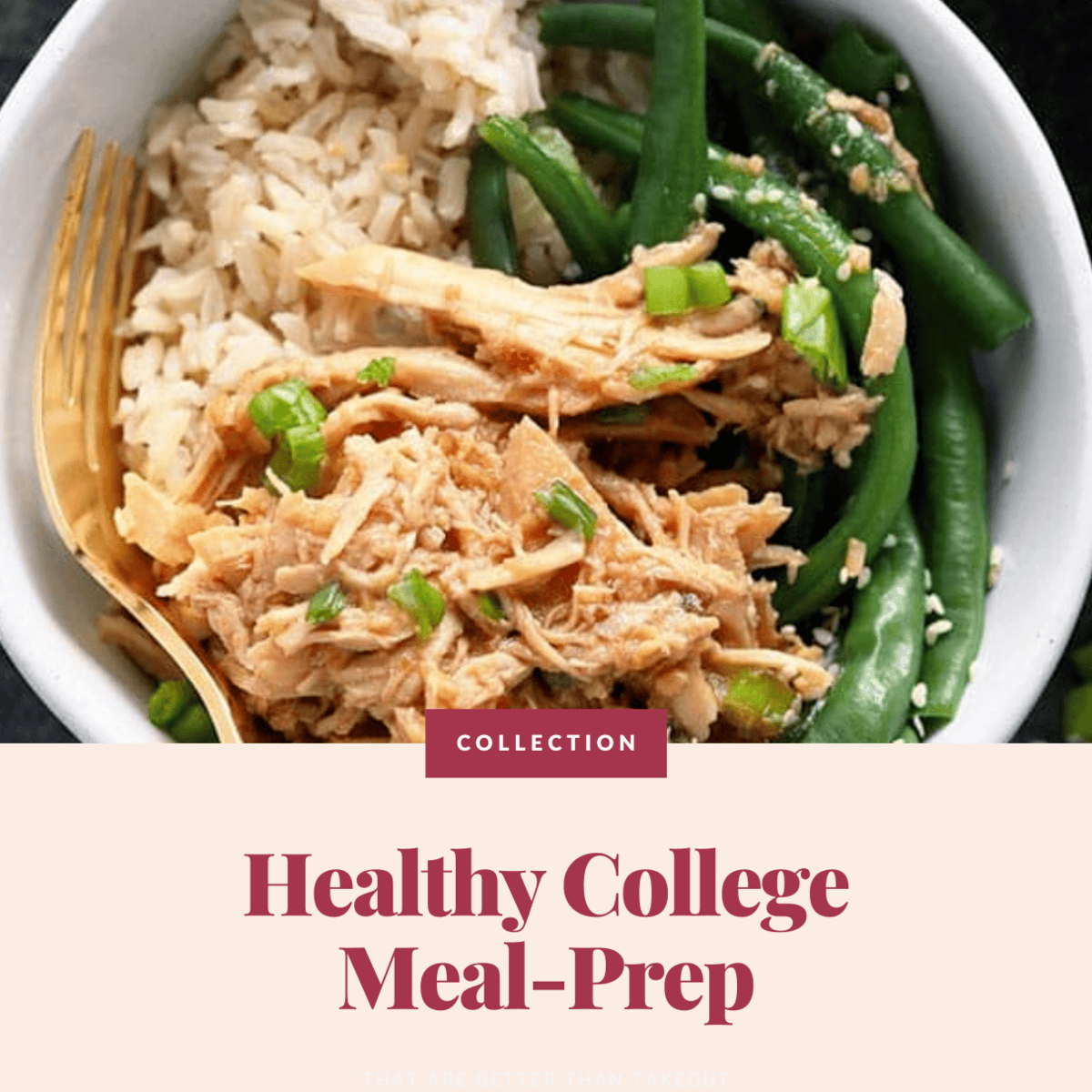
Simple College Meal Prep: Healthy Recipes on a Tight Budget
College life is a whirlwind of classes, study sessions, extracurriculars, and maybe even a part-time job. Amidst the chaos, eating well often takes a back seat, replaced by quick takeout runs, instant noodles, or expensive dining hall options. The reality for many students involves a tight budget, limited kitchen access (hello, dorm living!), and precious little time. But what if we told you that eating healthy and delicious meals doesn't have to be another source of stress?
This article is your ultimate guide to mastering simple college meal prep, focusing on the best healthy recipes for college kids that are budget friendly and perfect for meal prep. We’ll show you how to conquer your grocery budget, maximize your cooking efforts, and consistently enjoy nutritious meals, no matter how small your kitchen or how packed your schedule.
Why Meal Prep is a Game-Changer for College Students
Navigating college can be challenging enough without the added pressure of figuring out what to eat for every meal. For many, like the author of a popular college food blog, learning to cook and plan meals in college stemmed from necessity. Facing a modest weekly grocery budget and shared kitchen space, the journey began with trial and error, ultimately revealing the profound benefits of forward planning.
Meal prepping is the single most effective strategy for students to maintain a healthy diet without breaking the bank or sacrificing precious study time. Here’s why it’s a game-changer:
- Significant Cost Savings: By planning and cooking at home, you drastically reduce reliance on expensive takeout, convenience foods, and dining out. Every homemade meal saves you money that can be better spent elsewhere.
- Time Efficiency: Dedicating a few hours once a week to prep means you have ready-to-eat meals and components for days. This frees up time during busy weekdays when you'd otherwise be cooking from scratch.
- Reduced Food Waste: A meal plan helps you buy only what you need, use ingredients efficiently, and prevent forgotten produce from wilting in the back of the fridge.
- Improved Nutrition: When you cook your own meals, you control the ingredients, allowing you to prioritize fresh produce, lean proteins, and whole grains, shying away from excessive sodium, unhealthy fats, and added sugars.
- Stress Reduction: Knowing your meals are taken care of eliminates the daily dilemma of "what's for dinner?" and allows you to focus more on academics and personal well-being.
Mastering Your College Grocery Budget
A tight budget doesn't mean compromising on nutrition. It simply means being smarter about how and what you buy. The key is strategic planning and conscious spending. Here's how to make your money stretch:
- Set a Realistic Weekly Budget: Start by allocating a specific amount for groceries each week, perhaps $30-$50 depending on your location and needs. This isn't a rigid rule but a guideline to keep you accountable.
- Plan Your Meals & Make a List: Before stepping into the grocery store, decide what you'll eat for the week. Then, make a detailed shopping list based on your chosen budget-friendly college meals. Stick to it! Impulse buys are budget killers.
- Shop Sales and Seasonal Produce: Always check weekly flyers for sales. Seasonal fruits and vegetables are generally cheaper and fresher. Frozen fruits and vegetables are also excellent, often more affordable, and just as nutritious as fresh, especially for items out of season.
- Embrace Staples and Bulk Buying: Non-perishable items like rice, pasta, oats, canned beans, lentils, and frozen chicken can often be bought in larger quantities for less per serving. These form the backbone of many budget-friendly meals.
- Utilize Discount Stores: Stores like Aldi or Trader Joe's often offer significant savings compared to conventional supermarkets.
- "Stretch" Ingredients: Learn to use ingredients in multiple ways. For example, a bag of spinach can go into smoothies, eggs, or pasta dishes. Cooked chicken can be used in wraps, salads, or grain bowls.
Your Simple Weekly Meal Prep Blueprint
The secret to successful college meal prep is focusing on components rather than entire finished dishes. This allows for flexibility and variety throughout the week. Most effective student meals for a week can be achieved by prepping a few key elements at the start.
What to Prep Once (Big Batch Cooking):
- Grains: Cook a large batch of your favorite grain like brown rice, quinoa, or whole wheat pasta. These serve as excellent bases for countless meals. For breakfast, prep a large batch of overnight oats.
- Proteins: Roast or grill a few chicken breasts, hard-boil a dozen eggs, or cook a big pot of lentils or black beans. Plant-based proteins like tofu can also be baked or pan-fried in advance.
- Vegetables: Chop a variety of vegetables like bell peppers, onions, carrots, and broccoli. Roast a sheet pan of root vegetables (sweet potatoes, squash) or steam some greens.
- Snacks & Breakfasts: Portion out nuts and seeds, chop fruit for easy grabbing, or assemble mason jar salads. Make a batch of energy bites or muffins.
What to Cook Fresh or Reheat (Quick Assembly):
- Simple Dinners: Combine your pre-prepped components into new dishes. For instance, pre-cooked rice + roasted chicken + steamed broccoli + a simple sauce equals a quick, balanced dinner.
- Quick Add-ins: Fresh fruit for oatmeal, avocado slices for tacos, or a dollop of Greek yogurt or a fresh sauce to elevate a meal.
- Anything Best Served Fresh: Certain items, like a fried egg or a crisp salad, are best assembled right before eating.
Most of your meals can follow a simple, flexible formula: protein + carb + veggie + sauce. This allows you to swap ingredients based on what’s on sale, what you already have, or what you���re craving, ensuring you always have healthy college meals that fit your budget and small kitchen.
Breakfasts to Fuel Your Day
Kickstart your day with nourishing meals that don't require an early wake-up call:
- Overnight Oats: Combine rolled oats, milk (dairy or non-dairy), chia seeds, and your favorite fruit/sweetener in a jar. Refrigerate overnight for a grab-and-go breakfast. Customize with nuts, seeds, or a drizzle of honey.
- Make-Ahead Breakfast Burritos: Scramble eggs with some pre-chopped veggies (peppers, onions), add black beans or sausage, wrap in tortillas, and freeze. Reheat in the microwave for a few minutes.
- Hard-Boiled Eggs: Cook a batch at the beginning of the week. Perfect for a quick protein boost on their own or chopped into a salad.
- Yogurt Parfaits: Layer Greek yogurt with pre-chopped fruit and granola. Store components separately until ready to eat to prevent sogginess.
Lunch & Dinner Solutions (Versatile & Delicious)
These ideas leverage your pre-prepped components for quick and satisfying main meals:
- Build-Your-Own Grain Bowls: Start with a base of pre-cooked rice or quinoa. Add a protein (roasted chicken, black beans, hard-boiled egg), roasted vegetables, and a simple dressing (tahini, balsamic vinaigrette).
- Hearty Pasta Dishes: Cook whole-wheat pasta and combine with a jar of marinara sauce, frozen mixed vegetables, and a protein like canned chickpeas or pre-cooked ground turkey.
- Sheet Pan Meals: If you have oven access, these are amazing for minimal cleanup. Toss chicken pieces, chopped sweet potatoes, broccoli, and bell peppers with olive oil and spices on a sheet pan, then roast. Cook a big batch for leftovers.
- Quick Stir-Fries: Sauté pre-chopped veggies and pre-cooked protein (tofu, chicken, shrimp) with a simple sauce (soy sauce, ginger, garlic). Serve over pre-cooked rice.
- Big Batch Chili or Lentil Soup: Make a large pot of chili or a hearty lentil soup on Sunday. These dishes often taste even better the next day and freeze well for future meals.
Essential College Kitchen Tools & Tips (Even for Small Spaces)
Even with minimal space, a few key items can make meal prepping infinitely easier:
- Microwave: A non-negotiable for reheating.
- Mini-Fridge: Essential for storing perishables in dorms (check regulations).
- Electric Kettle: Great for boiling water for oatmeal, instant noodles, or tea without a stove.
- Hot Plate/Electric Skillet: If allowed, these open up more cooking possibilities like eggs, stir-fries, and pancakes.
- Quality Storage Containers: Invest in glass or BPA-free plastic containers with airtight lids. They're crucial for keeping food fresh and transportable.
- Basic Utensils: A good knife, cutting board, spatula, and a few mixing bowls are invaluable.
- Sheet Pan: For roasting veggies and proteins with minimal cleanup.
- Can Opener: For beans, tomatoes, and other canned staples.
Tips for Small Kitchens:
- Clean As You Go: Keep your limited counter space clear.
- Utilize Vertical Space: Shelves and stackable containers are your friends.
- Check Kitchen Rules: Always know what appliances are allowed in your dorm or shared apartment.
- Team Up: If you have roommates, consider sharing bulk purchases or even meal prepping together to save money and share the workload.
Eating healthy on a college budget is not just a dream – it's an achievable reality with the right strategies. By embracing meal prep, planning your groceries, and arming yourself with a few simple recipes, you can ensure you’re well-nourished and energized to tackle your studies and make the most of your college experience. Start small, be consistent, and you'll soon discover the freedom and satisfaction of homemade, budget-friendly meals. Your future self (and your wallet) will thank you!
